


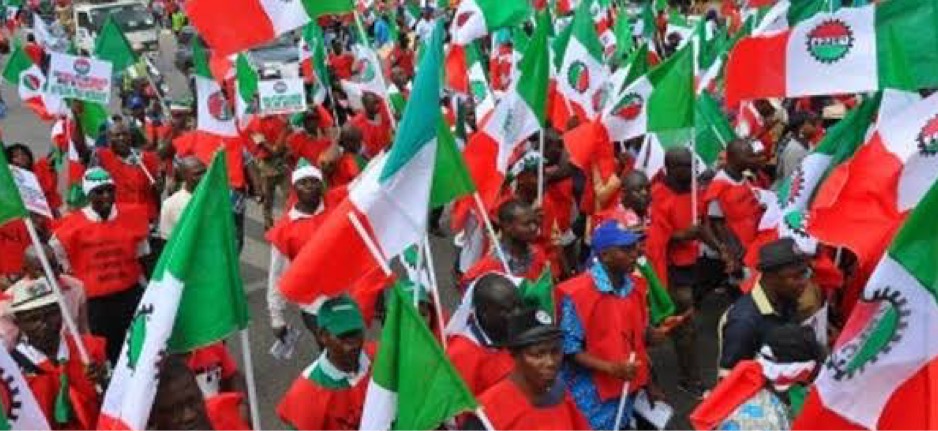
As the Nigeria Labour Congress (NLC) gears up for a nationwide strike on December 1, 2024, over the delayed implementation of the N70,000 minimum wage, the once-unified front of the labour movement appears to be fracturing. With key state chapters pulling back from the planned industrial action, concerns are growing that the strike may lose its momentum and fail to achieve its intended goals.
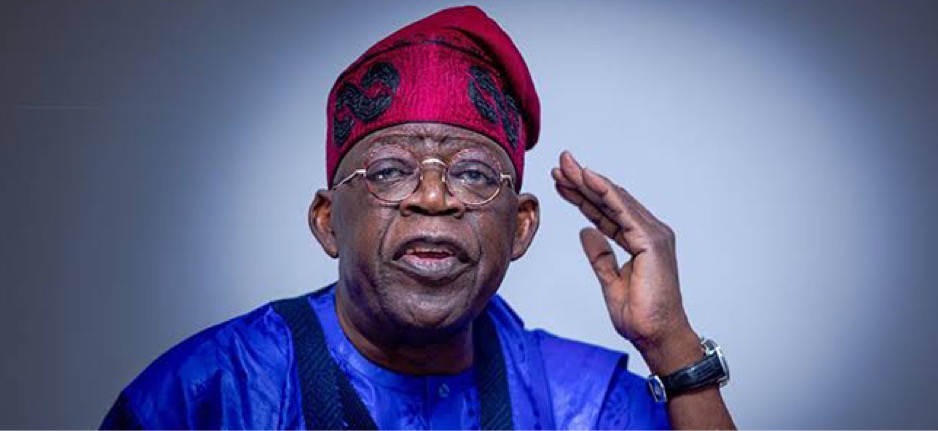
The backdrop to this dispute lies in President Bola Tinubu’s July 2024 approval of a new N70,000 minimum wage, designed to provide much-needed relief to Nigerian workers grappling with inflation and rising living costs. While some states, including Lagos and Rivers, have acted swiftly to implement the new wage (with some offering even more, like Lagos' N85,000), a number of key states, including Abia, Akwa Ibom, Ebonyi, Imo, and Kaduna, have failed to act. This delay has led to growing frustration among workers, prompting the NLC to threaten a nationwide strike.
However, just days before the strike is set to begin, several state chapters are opting out, citing local agreements with state governments. This has raised doubts about the unity and effectiveness of the NLC’s nationwide strike strategy.
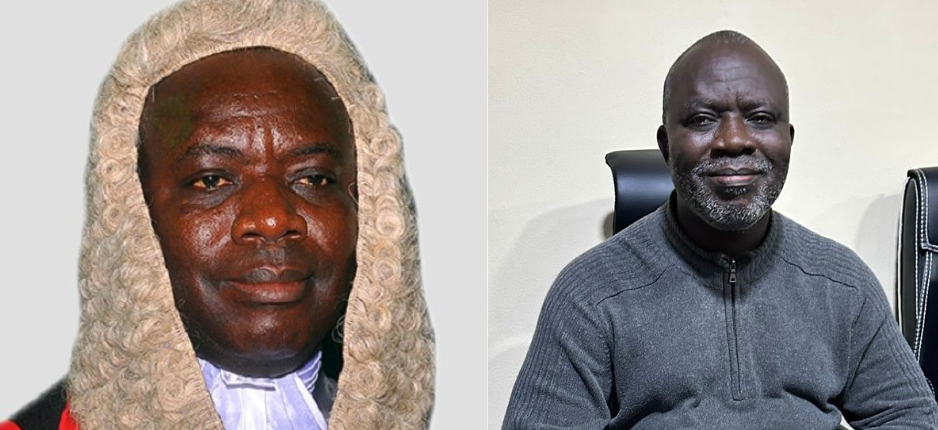
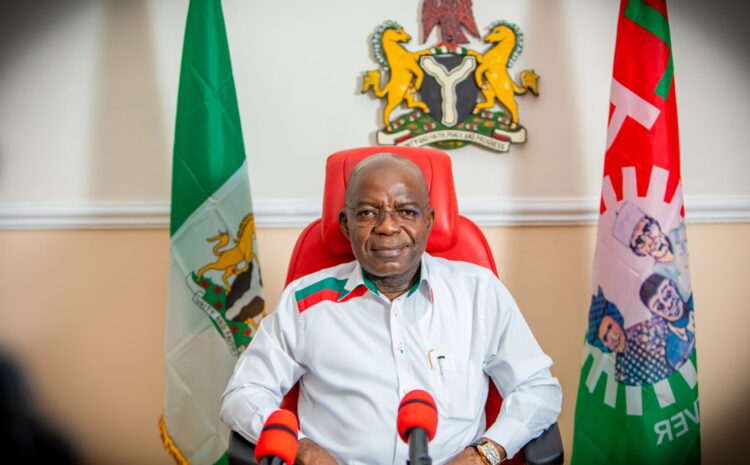
One of the first states to distance itself from the strike is Imo, where the NLC chapter announced that it would not participate due to a recent agreement with the state government. Imo's Governor Hope Uzodimma has promised that the N70,000 minimum wage will be implemented soon, leading local union leaders to declare that industrial action is unnecessary. Uche Chigaemezu, Chairman of the Imo NLC, confirmed this position, stating that the state had already reached an agreement with the government, which the national leadership of the NLC had been informed about.
Sokoto State followed a similar path, with Governor Ahmed Aliyu announcing that the N70,000 minimum wage would be implemented in January 2025, albeit with a delayed rollout. In response, Sokoto’s NLC chapter also withdrew from the planned strike, citing a memorandum of understanding with the state government. This move has further divided the NLC, as some states seek to move forward with their local agreements, while others remain steadfast in their demand for immediate, nationwide compliance.
On the other side of the debate, states like Kaduna, Nasarawa, and Zamfara have reaffirmed their commitment to the strike, with local NLC leaders emphasizing that the workers' demands cannot be ignored any longer. In Kaduna, for example, NLC Chairman Ayuba Suleiman reiterated that the workers would not tolerate any further delays in the implementation of the wage, signaling continued discontent with the state government's inaction.
In the Federal Capital Territory (FCT), the NLC has taken a more aggressive stance, declaring an indefinite strike in the six area councils. The FCT chapter has accused local government chairmen of violating the law by failing to implement the minimum wage, and its members have vowed not to relent until their demands are met.
Despite the internal divisions, the NLC leadership has remained firm. Akeem Ambali, the National Treasurer of the NLC, has issued strong criticism of states that have failed to implement the new wage, regardless of whether they have made verbal commitments. Ambali emphasized that any state that had not fully implemented the wage by the strike’s start would face the full force of the action, underscoring the NLC’s uncompromising stance on the issue.
Benson Upah, the NLC’s Head of Protocol and Public Relations, echoed these sentiments, warning that partial compliance would not be enough to avoid the strike. He stressed that only a nationwide and immediate implementation of the N70,000 wage would satisfy the labour union's demands and prevent industrial action.
The looming strike is about more than just the minimum wage. For many Nigerian workers, the promised N70,000 represents a crucial lifeline, yet the state’s failure to implement it on time exposes deeper systemic problems in governance and labour relations. With divisions within the NLC now becoming more apparent, the broader question is whether the labour movement can overcome its internal rifts and present a united front in its fight for worker welfare. The coming days will determine whether the strike can still proceed as planned, or if this latest episode of worker unrest will fizzle out due to disunity within the labour movement.